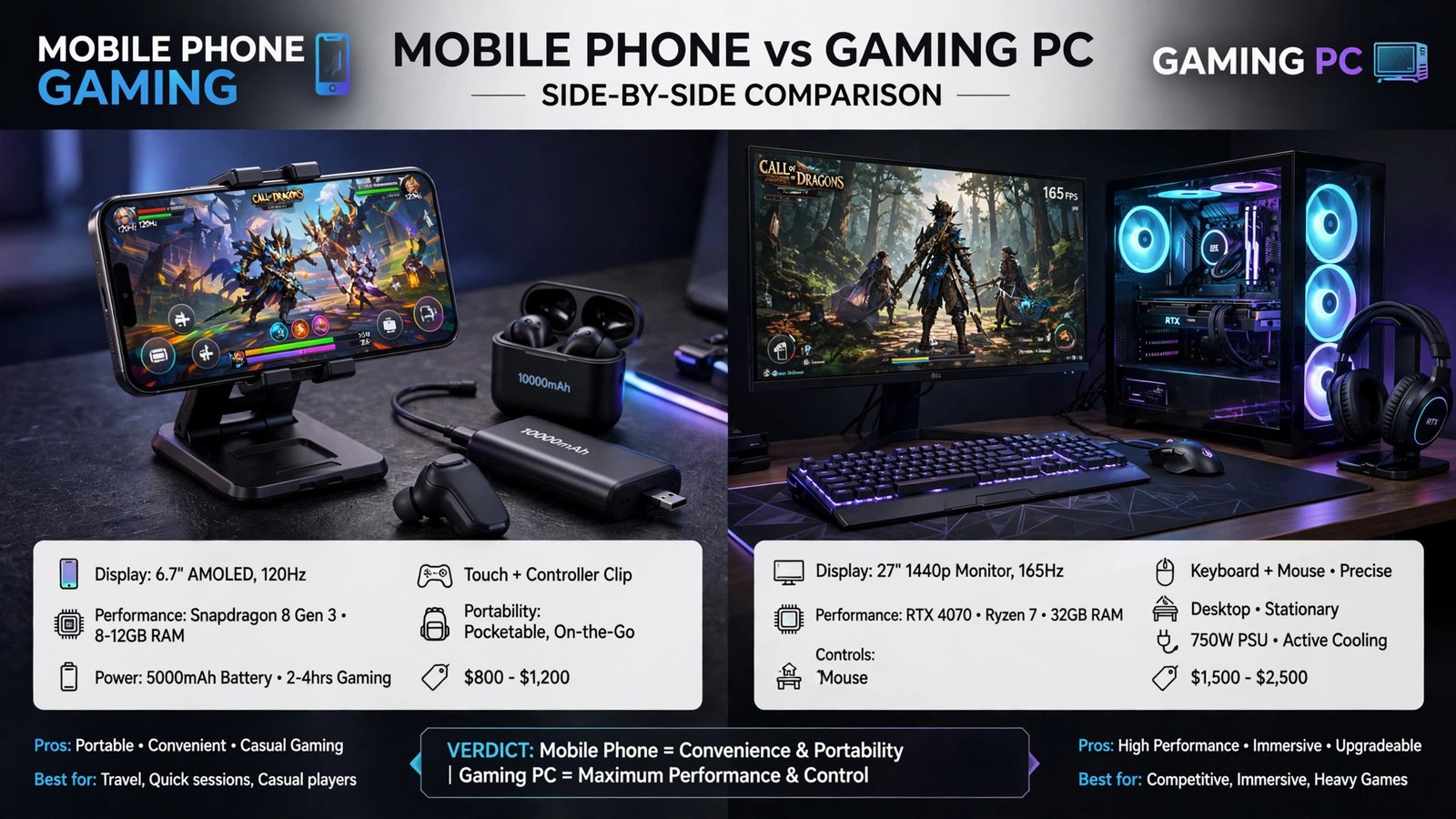
To improve gaming skills as a beginner, you do not need expensive equipment or hours of daily practice. You need a clear focus, a simple routine, and a willingness to learn from each match. Gaming is more than quick reactions: it involves game knowledge, decision-making, timing, map awareness, and teamwork. This guide explains practical steps that help new players progress steadily, without turning play into a chore. For more beginner-friendly guidance, visit Techvera and read 10 Gaming Mistakes Beginners Should Avoid.
Improve Gaming Skills: Choose One Game and Learn the Basics
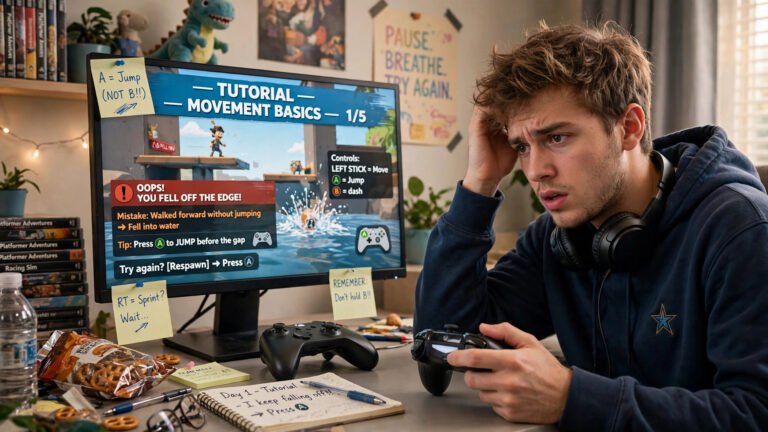
The easiest way to improve gaming skills is to focus on one game at a time. Playing many titles at once splits your attention and makes it hard to learn any one system well. Start with the basic rules: what is the objective, how do you win, what do the controls do, and which characters, weapons, or abilities matter most? Learn the difference between attacking and defending, and spend time in tutorials or practice modes before worrying about advanced techniques. A strong foundation makes every later skill easier to add, because you will understand why a strategy works instead of just copying it.
Improve Gaming Skills: Practise Regularly With Small Goals
Consistent, focused practice usually beats long, unfocused sessions. Set one small goal for each session, such as improving accuracy, learning a map route, completing a difficult level, or using a new ability correctly three times. A simple routine could include five minutes reviewing controls, ten minutes practising a specific skill, fifteen minutes playing normal matches, and five minutes reviewing mistakes. Small goals keep progress visible and motivating, and they help you notice improvement even when wins do not come immediately. Adjust the routine to your time, game, and energy level.
Improve Gaming Skills: Master the Controls
Confident control is the foundation of fast, accurate play. Learn what each button, key, and menu option does, and practise movement until it feels natural. On mobile, arrange your touch layout so important buttons are easy to reach without blocking your view. On PC or console, test sensitivity and button layouts in practice mode, then stick with a comfortable setup long enough for muscle memory to develop. Changing controls constantly prevents that learning, so make one change at a time and test it properly before changing again.
Improve Gaming Skills: Reaction Time and Better Decisions
Quick reactions help in action, racing, and shooter games, but good decisions matter just as much. Many beginners lose not because they react slowly, but because they rush into danger without information. Practise reading recurring situations: where do opponents usually appear, which sounds warn of danger, and when should you retreat instead of fight? Slow down for a moment before entering an unfamiliar area, check corners and cover, and plan an escape route. Over time, anticipation will make you feel faster, because you will already be ready for the most likely outcome.
Improve Gaming Skills: Learn Maps and Game Mechanics
Players who understand maps and mechanics have a clear advantage. Learn important locations, shortcuts, hiding spots, objectives, and item spawn points. In multiplayer games, map awareness helps you predict opponents and support teammates. In racing or adventure games, knowing the track or level layout helps you plan routes and save time. Read in-game instructions, experiment in practice mode, and try different features to see how they interact. The more you understand the system, the fewer surprises you will face in real matches.
Improve Gaming Skills: Watch Experienced Players Actively
Watching experienced players can reveal techniques you might not discover alone, but passive watching helps less than active study. Notice why a player chose a position, weapon, or rotation, and ask what information led to that choice. Try one technique at a time in your own games, rather than copying an entire playstyle at once. If your game offers replays, review your own matches too: you may spot rushed decisions, missed opportunities, or positioning errors that were invisible during play. Combine watching with practice, and the lessons will stick.
Improve Gaming Skills: Choose Comfortable Settings
There is no single perfect setup, because comfort depends on your device, game, and play style. Find a sensitivity that allows controlled, accurate movement, lower demanding graphics settings if performance is uneven, and use a resolution and refresh rate your hardware supports. Adjust audio so important sounds, such as footsteps or objectives, remain clear without being uncomfortable. On mobile, close unnecessary background apps if they affect performance. Test each adjustment separately, so you know which change actually helped.
Improve Gaming Skills: Learn From Every Mistake
Losing does not mean you lack skill; it means you have information about what to improve. After a difficult match, ask what happened: did you rush, overlook an objective, waste a resource, or misread the map? Avoid blaming teammates or equipment for every result, because that habit hides the lessons you can control. Keep a simple note of recurring mistakes and the fix you are practising, such as checking corners, saving an ability, or rotating earlier. Over weeks, that record shows real progress, even on days when results feel disappointing.
Improve Gaming Skills: Focus, Breaks, and Balance
Concentration drops when you are tired, distracted, or frustrated, and that is when mistakes multiply. Take regular breaks during long sessions, stretch, drink water, and rest your eyes. A shorter session with a clear learning goal is often more useful than several hours of unfocused play. Keep gaming balanced with sleep, exercise, study, or work, because rest and health support reaction time, memory, and mood. If frustration builds, pause before the next match; returning calm usually improves both performance and enjoyment.
Improve Gaming Skills: Play With Others and Communicate
Playing with friends or more experienced gamers can accelerate learning, because they share strategies, explain mechanics, and model good teamwork. In team games, clear communication makes a real difference: share enemy positions, objectives, and plans in short, useful messages. Stay respectful even when a match goes badly, and protect your personal information when playing with strangers. Good communication is a skill in itself, and it often turns a group of average players into a strong team.
Improve Gaming Skills: Avoid Habits That Slow Progress
Several common habits slow beginners down. Practising without a goal, changing settings too often, skipping tutorials, chasing every win, comparing yourself with professionals, and playing while exhausted all limit progress. Fix one or two habits at a time rather than trying to change everything at once. For example, commit to finishing tutorials, keep settings stable for a week, and measure progress against your own past performance instead of a professional highlight video. Small, steady corrections add up faster than dramatic overhauls.
Improve Gaming Skills: A Simple Weekly Practice Plan
A weekly plan can build consistency without making gaming feel like homework. Try this flexible pattern: Monday, learn controls and basic mechanics; Tuesday, practise one important skill; Wednesday, study maps, levels, or strategies; Thursday, play matches and apply what you learned; Friday, watch a tutorial or experienced player; Saturday, review gameplay and work on weak areas; Sunday, play casually, rest, or review progress. You do not need to follow it exactly. Adjust it to your availability, and keep at least one rest or casual day so practice stays enjoyable.
Frequently Asked Questions About Improving Gaming Skills
How long does it take to improve gaming skills? It depends on the game, your starting level, and how consistently you practise, but most beginners notice improvement within a few weeks of focused sessions. Can beginners become good without expensive equipment? Yes: game knowledge, timing, decision-making, and map awareness matter more than hardware at beginner level. What is the best way to practise? Choose one skill, practise it in training or normal play, and review your performance. Should beginners play ranked matches? Learn the basics first, then try ranked play when you understand controls, objectives, and common strategies. Does watching videos help? Yes, when you study choices actively and practise one technique at a time, rather than only watching for entertainment. For official account and device guidance, see Microsoft Support.
Conclusion: Improve Gaming Skills Step by Step
Improving your gaming skills is a gradual process built on patience, consistency, and a willingness to learn. You do not need to win every match to make progress. Focus on one game, one skill, and one small goal at a time, and review what worked after each session. Whether you play mobile, PC, or console games, a balanced routine will help you play smarter, react with more confidence, and enjoy the journey. Start with one small goal in your next session, practise it carefully, and build from there.
About the Author


1 thought on “How to Improve Your Gaming Skills: A Beginner’s Guide”